
7 Reasons Why Adopting AI in Agriculture is Essential for Future Farmers
Explore the essential role of AI in agriculture with practical insights and lesser-known tools that can optimize farming practices and enhance crop yields.
AI technologies are transforming agriculture by improving efficiency and yield, with tools like EarthSense and CropX enhancing crop monitoring and water management respectively. Farmers leveraging AI have reported significant benefits, such as a 30% reduction in crop losses and a 20% decrease in water use while improving quality. Utilizing AI-driven insights allows for precision in pest control, weather forecasting, and livestock health management, ultimately leading to more sustainable farming practices. As global demand for food rises, understanding the importance of AI in agriculture becomes essential for future farmers.
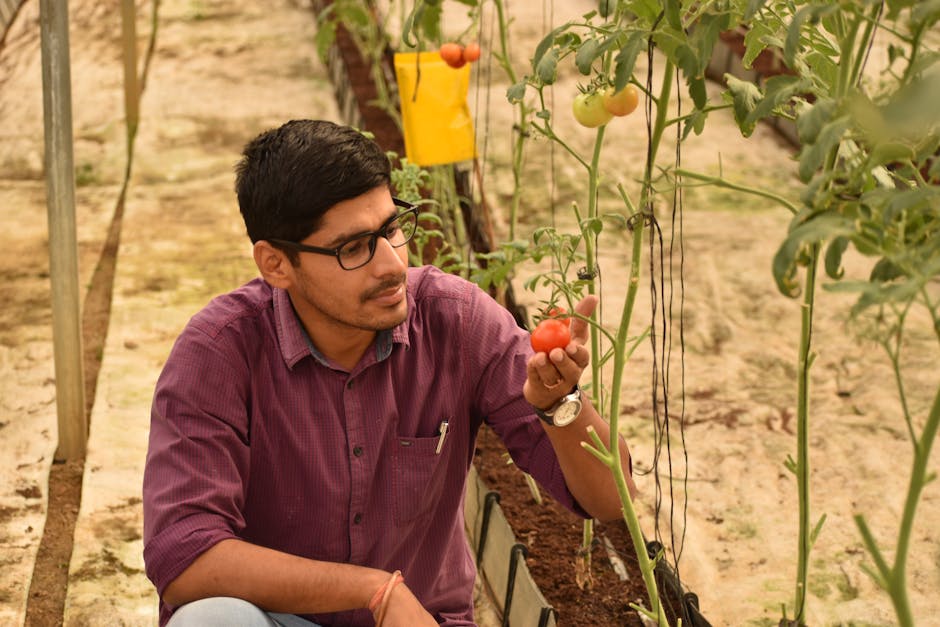
The future of farming isn’t just about plows and seeds anymore; it’s about algorithms and data. As the global population grows, so does the pressure on farmers to produce more while using fewer resources. Skepticism around AI in agriculture often stems from unfamiliarity. However, understanding how AI tools work can change that perception quickly.
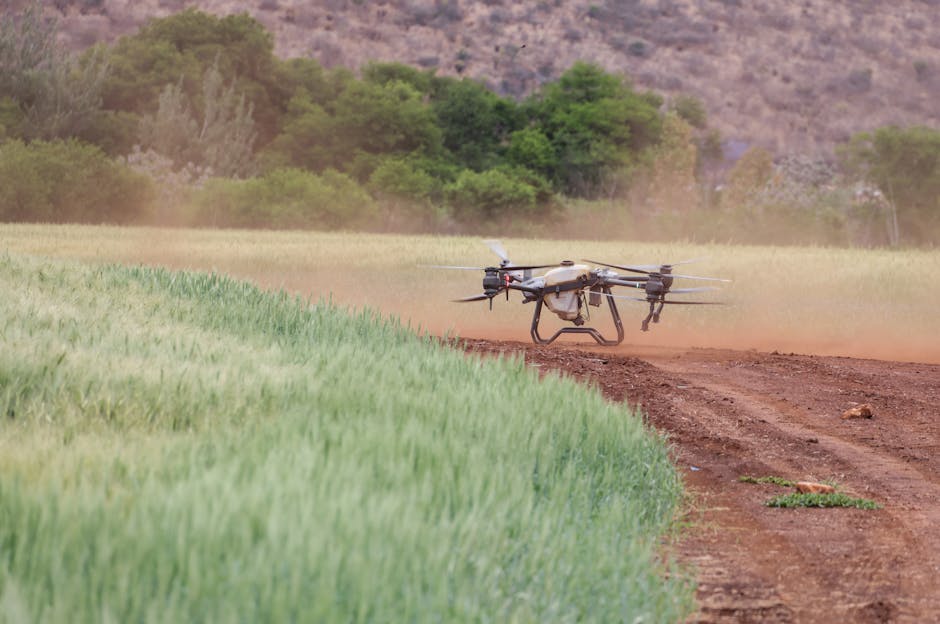
First on the list is EarthSense. Their technology combines remote sensing with AI to give farmers precise insights into crop health and growth patterns. Imagine having drones flying over your fields, collecting data on plant health, and sending that information straight to your smartphone. By using this data, farmers can spot diseases early and treat them before they spread. One farmer applied this and saw a 30% reduction in crop losses due to early detection.
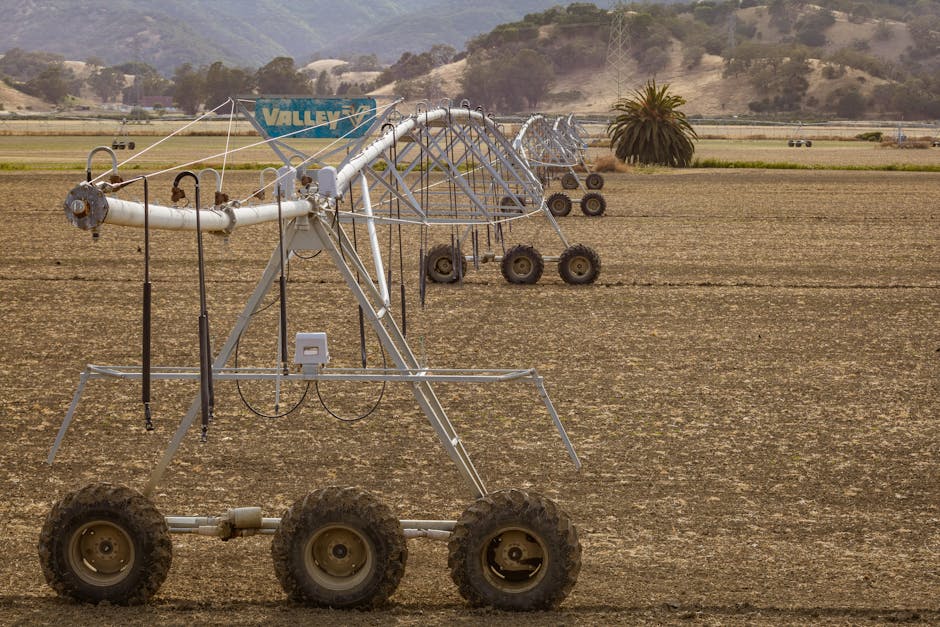
Then there’s CropX. This tool focuses on soil data, bringing in sensors that monitor moisture levels. Farming can be risky, especially when it comes to water management. With CropX, farmers receive real-time soil moisture data, allowing them to optimize irrigation schedules. A winery in California leveraged this tool and cut its water consumption by 20%, while improving grape quality. Less water, better yield—sounds like a win-win.
Next up is Fieldin, a farm management tool that uses AI to optimize field operations. It gives farmers actionable insights based on the crops and conditions. A farmer who used Fieldin reported a 40% improvement in the efficiency of his pest control applications. Instead of blanket spraying pesticides, he could target specific areas, thus saving money and reducing environmental impact.
Have you heard of Arable? This tool specializes in weather and environmental conditions affecting crops. Arable‘s devices measure everything from rainfall to solar radiation and feed that data back into an AI system that forecasts potential impacts on yield. One corn farmer applied these insights to adjust planting schedules based on weather patterns and increased his yield by 15% over previous years. It’s like having a crystal ball for weather!
Another contender is Taranis, which uses AI and computer vision to analyze images of crops. You’ll get high-resolution aerial images that can detect pests that a human might miss. Those images help farmers make faster, more informed decisions about pest management. A farmer utilizing Taranis identified an outbreak of aphids before it became a larger issue, saving thousands in crop treatment costs.
Let’s not forget about Rancher. For those in livestock farming, this tool keeps track of cattle health and ensures they are fed properly. Using AI to monitor livestock health can lead to healthier animals and reduced costs in veterinary care. A rancher who started using this reported a 25% decrease in veterinary expenses within a year.
Finally, we have Econocopter. If you’re venturing into precision agriculture, this drone service allows farmers to monitor crops from above using advanced imaging techniques. This not only saves time but provides insights that ground inspections might miss. A farmer using Econocopter spotted irrigation issues from the air, leading to repairs that resulted in a 10% yield increase that season.
This array of tools highlights that AI is not just a buzzword but a practical asset for modern agriculture. They enhance productivity, reduce costs, and tackle the challenges of today’s farming landscape. When considering the importance of AI in agriculture, it’s clear that these tools can bring measurable improvements.
FAQ
Is AI in agriculture only for large farms?
Nope! AI tools are versatile and can benefit farms of all sizes. There are solutions tailored for small-scale operations too.
How can I start using AI tools on my farm?
Identify the challenges you face and research tools that address those specific needs. Many tools offer trial periods, so experiment and see what fits your operation.