
The Future of Work: How AI Tools Are Shaping Remote Team Collaboration and Communication
Explore the transformative impact of AI tools on remote team collaboration and communication, making teamwork effortless and efficient.
AI tools for remote teams streamline collaboration and communication, directly enhancing productivity in remote work environments. Tools like Twilio integrate various communication features, while Drift‘s chatbots manage routine inquiries, allowing teams to focus on critical tasks. Project management becomes more dynamic with platforms like Shortcut, which suggest deadlines based on real-time data. Meanwhile, Miro's AI-enhanced virtual whiteboard fosters creative brainstorming among distributed teams. These advancements ensure that effective teamwork continues, regardless of location.
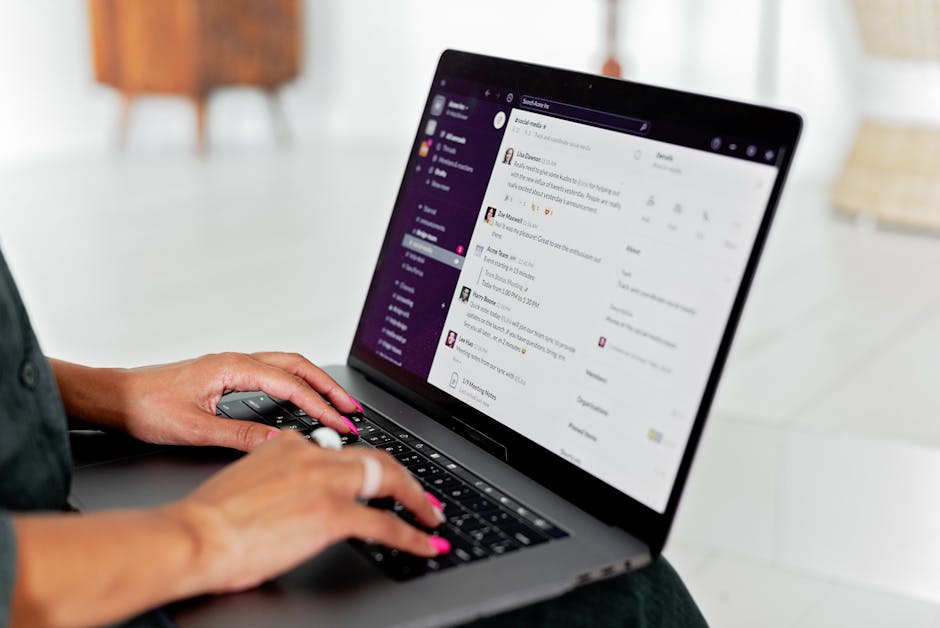
Hey there! Let’s dive into what’s shaking up the remote work scene these days. We’ve all been there—trying to collaborate with a team spread across different time zones, struggling with clunky communication tools that slow us down instead of speeding us up. Well, here’s a light at the end of the tunnel: AI tools are revolutionizing how remote teams connect and collaborate.
Why AI for Remote Teams?
First off, let’s get one thing straight. The remote work model isn’t just a fad. It’s here to stay. But with this shift comes a significant challenge: maintaining effective collaboration. AI tools are stepping in like the superhero sidekick we never knew we needed.
Take Twilio, for instance. Their APIs allow teams to integrate communication features into existing apps, which means a seamless link between chats, calls, and data sharing. Imagine being able to jump from a video call to a shared document in seconds, without fumbling through endless tabs. With Twilio, that’s totally possible!
Streamlining Communication with AI Chatbots
Now, let’s chat about communication flow. Enter AI chatbots. Tools like Drift can handle common queries and provide instant responses, which is a game-changer for teams. You’re not only saving time, but you also keep your team focused on the creative stuff that really matters.
Think about a marketing team working on a campaign. Instead of having one person spend hours answering the same questions over and over, a chatbot can handle that while your team focuses on brainstorming the next big idea. Not to mention, Drift‘s analytics tools give you insights into what questions are being asked the most. That’s valuable feedback right there!
Project Management with a Twist
Let’s talk about project management. We all know the struggle of keeping track of tasks and deadlines when working remotely. Enter Shortcut, formerly known as Clubhouse. It’s an AI-driven project management tool that allows teams to prioritize tasks based on real-time feedback and insights.

Imagine a design team receiving automatic suggestions on deadlines based on team capacity and project complexity. That’s not just saving time; it’s creating a more dynamic workflow. The ability to pivot and adjust as a team based on data empowers everyone to stay on the same page, and that’s priceless.

Real-Time Collaboration Made Easy
Speaking of staying on the same page, have you heard of Miro? It’s an online collaboration tool that’s perfect for brainstorming sessions or workshops. But the magic happens when you layer in AI capabilities. Miro allows teams to collaborate on a virtual whiteboard in real-time, complete with sticky notes, images, and more.
Here’s a nifty example: a remote team of developers brainstorming a new feature can utilize Miro to bring their ideas to life visually. Plus, with AI integration, they can gain insights into which ideas are trending, shaping their discussions without losing track of user needs.
AI in Everyday Workflows
Ever felt overwhelmed by emails? Yeah, me too. That’s why tools like Superhuman are a breath of fresh air. Superhuman uses AI to prioritize your inbox and surface the most critical emails to you first. It’s like having a personal email assistant who knows what’s urgent and what can wait.
Imagine a team that gets to spend less time sorting through unnecessary clutter and more time focusing on critical projects. It’s a productivity booster, plain and simple!
Data-Driven Decision Making
Let’s not forget about data. It’s all great to have AI tools, but what about making informed decisions? Looker, an analytics platform, allows remote teams to access data and visualize it in a meaningful way. It’s not just about gathering data; it’s about making data work for you.
A sales team can evaluate which leads are converting better through automated reporting. This means team members can allocate resources more efficiently and maximize their conversion rates. The bottom line? Smarter decisions lead to better outcomes.
FAQ
Q: How do AI tools improve remote team collaboration?
A: AI tools streamline communication, automate repetitive tasks, provide insightful analytics, and create a seamless workflow, enabling teams to focus on innovation and productivity.

Q: Are AI tools easy to integrate into existing workflows?
A: Most AI tools are designed to integrate smoothly with popular software, making it easier for teams to adopt without a steep learning curve.
Q: Do I need technical skills to use AI tools?
A: Not necessarily! Many of these tools are user-friendly and require no technical skills, making them accessible to everyone on the team.
So, the next time you’re feeling the collaboration pinch while working remotely, remember these AI tools are there to help. They’re not just accessories; they’re essential partners in your remote work journey!