
Exploring the Role of AI in Renewable Energy: 6 Tools You Should Consider
Dive into the world of AI tools tailored for renewable energy. Explore six unique solutions that simplify integration and boost efficiency.
Six essential AI tools for renewable energy integration include Grid.ai, Ceresim, Energy Manager AI, Neural Networks, Renewabot, and Urban Solar. These tools enhance energy forecasting, optimize consumption, and improve maintenance across various renewable systems. For instance, Grid.ai uses real-time data to predict energy needs, while Energy Manager AI analyzes usage patterns to minimize waste. Additionally, Ceresim models energy scenarios for better decision-making, and Neural Networks enable predictive maintenance to prevent equipment failures.
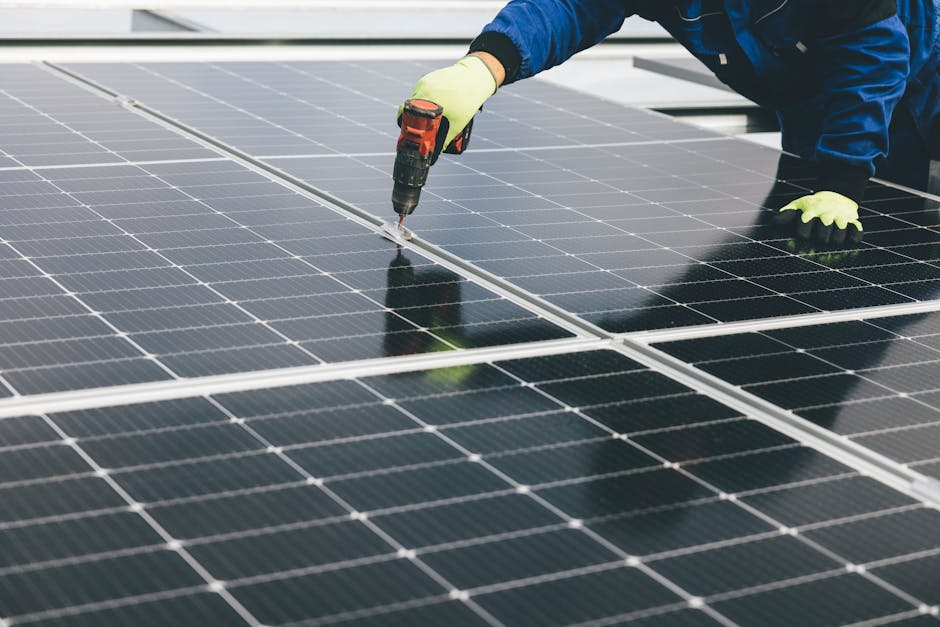
Integrating AI into renewable energy systems doesn’t have to be a maze. Many people are puzzled about how to weave these advanced technologies into their existing frameworks. The good news? There are some emerging AI tools that can make this transition smoother and more effective than ever. Here are six you should check out.
Grid.ai is like having a co-pilot in your energy forecasting journey. By utilizing historical and real-time data, this tool forecasts energy production and consumption patterns. That way, you can determine your energy needs ahead of time, reducing waste and improving efficiency. A small solar farm in California recently used Grid.ai to adjust its energy storage strategy, resulting in a 20% reduction in energy costs over six months.
Ceresim offers AI-based simulations for energy systems, allowing you to model various renewable energy scenarios. It’s great for project managers struggling to visualize the impact of different renewable energy mixes. A wind farm in Texas used Ceresim to identify the best turbine placements, ultimately boosting their energy output by 15%. It’s about making the smartest choices before you even break ground.
Ever heard of Energy Manager AI? This tool takes on the role of an energy manager, analyzing usage patterns to optimize energy consumption in real-time. If you’re juggling multiple renewable sources, Energy Manager AI helps in balancing the load and identifying peak hours. A university in New York implemented it and saw a 30% decrease in energy waste within the first semester.
If you’re into predictive maintenance, Neural Networks could be your best buddy. This AI platform predicts equipment failures using machine learning. For instance, a solar panel manufacturer was able to preemptively address potential equipment failures identified by Neural Networks, leading to a 25% reduction in downtime. It’s pretty cool knowing you can fix things before they break.
Don’t overlook the role of chatbots in renewable energy. Renewabot can handle customer inquiries about energy usage efficiency and program participation. For a small utility company, deploying Renewabot reduced the customer service response time from days to mere minutes. That’s a huge win for customer satisfaction.
Lastly, Urban Solar has a nifty tool that focuses on community solar initiatives. It uses AI to analyze community solar adoption trends, helping companies design programs that match local demand. A community project in Florida leveraging Urban Solar‘s insights managed to onboard 50% more families, which solidified their funding and outreach efforts. The data told them precisely what they needed.
Integrating AI into your renewable energy efforts doesn’t have to be daunting. These tools can simplify your journey and lead to better outcomes. In the ever-evolving landscape of energy solutions, staying ahead means adapting and leveraging these smart technologies.
FAQ
What are AI tools for renewable energy?
AI tools for renewable energy are software applications that use artificial intelligence to improve the efficiency, management, and forecasting of renewable energy sources.
How can I integrate AI into my renewable energy project?
Start by identifying specific challenges in your project, then choose AI tools that address those needs, such as energy forecasting or predictive maintenance.

Are these tools suitable for small-scale projects?
Yes! Many AI tools are scalable and can be tailored for both large and small projects, making them accessible for various applications.
Related AI Tools Guides
Keep the momentum going with these useful reads: