The Impact of AI on Reducing Industrial Pollution: 5 Tools Making a Difference
Discover how AI tools are helping industries reduce pollution and control waste. Here are five innovative solutions that are making a difference.
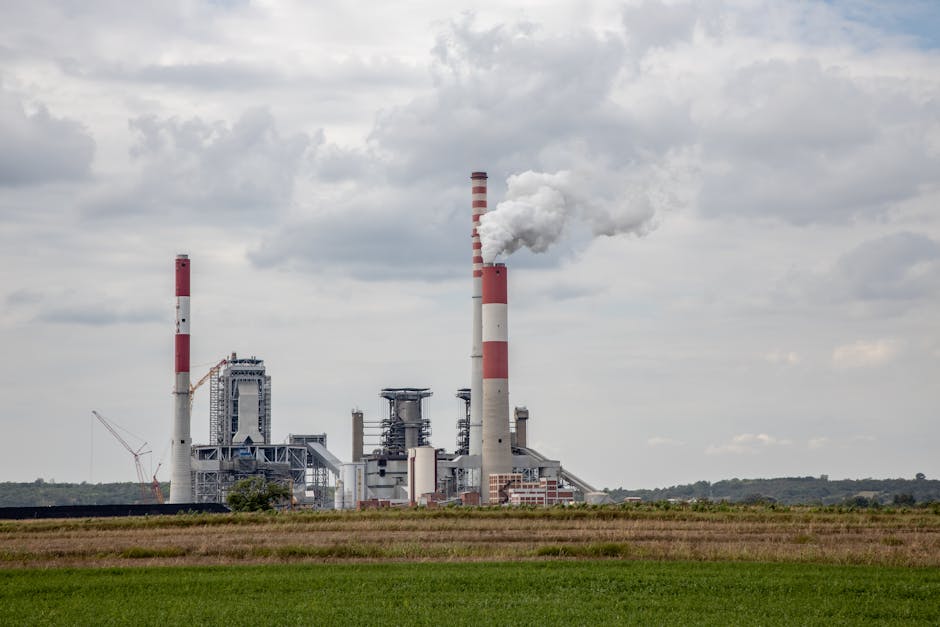
Five innovative AI tools are leading the charge in reducing industrial pollution: Ecube Labs, AiOcean, Enerdrape, ClimaCell, and Waste Analytics.
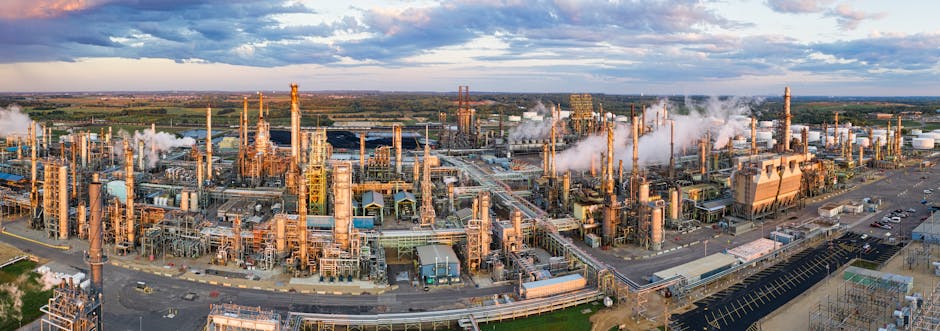
Ecube Labs optimizes waste collection, resulting in a reported 35% reduction in CO2 emissions in pilot programs.
AiOcean alerts factories in real-time to water pollution issues, helping reduce violations of water quality standards by 50% within three months.
Enerdrape boosts energy recovery rates by 40% through predictive analytics for waste-to-energy conversion.
ClimaCell and Waste Analytics provide real-time air quality monitoring and waste reduction strategies, respectively, contributing significantly to lowering environmental footprints.
Industrial pollution is one of those nagging issues that seems to linger no matter how much technology advances. With mountains of waste and pollutants pouring into our air and water, it’s hard not to feel overwhelmed. That’s where AI comes into play, offering smart solutions that can significantly reduce the environmental impact of industries. Here’s a look at five lesser-known AI tools for pollution reduction you might not have heard of.
First up is Ecube Labs. They’ve developed a smart waste management system that leverages AI to optimize waste collection routes. Think of it this way: instead of following the same old garbage pickup schedule whether or not bins are full, Ecube Labs‘ technology uses real-time data to identify which bins need servicing. This means fewer fuel emissions from garbage trucks, reducing both operational costs and pollution. A pilot program in Seoul showed a 35% reduction in CO2 emissions just from smarter routes alone.
Then there’s AiOcean, which employs AI to monitor and manage water pollution. This tool analyzes data from various sources like sensors and satellites to identify pollution hotspots in real-time. Imagine a factory that’s discharging wastewater before it’s been properly filtered. AiOcean can alert operators immediately, allowing them to take swift action before any major damage is done. Factories that have used AiOcean reported a 50% cut in violations of water quality standards within three months of implementation.
Another impressive player is Enerdrape. Focusing on energy efficiency and waste to energy, this AI platform uses predictive analytics to help companies transform waste into energy more efficiently. By using historical waste data and machine learning, Enerdrape helps manufacturers figure out the best ways to convert their waste to energy, cutting down landfill waste significantly. Early adopters have seen a 40% increase in energy recovery rates.
Let’s not forget about ClimaCell, which is tackling air quality monitoring in urban environments. Their platform utilizes AI-driven analytics to provide real-time air quality assessments, helping industries understand their emissions’ impact on the surrounding community. By integrating ClimaCell into their operations, companies have been able to reduce air pollutants by adjusting machinery operations based on live air quality data, improving public health outcomes significantly.
Finally, check out Waste Analytics. This tool employs machine learning algorithms to analyze waste composition and help companies reduce waste generation at the source. By identifying the types of waste generated, businesses can target specific areas for reduction. One food manufacturer reported a 30% decrease in food waste over six months after implementing insights from Waste Analytics, effectively lowering their overall environmental footprint.
In a world increasingly focused on sustainability, these AI tools offer practical solutions to tackle industrial pollution head-on. From smarter waste management to real-time pollution monitoring, they’re proving that technology can be a powerful ally in our fight for a cleaner planet.
FAQs
Are these tools easy to integrate into existing systems? Yes, most of these AI tools are designed to integrate smoothly with existing workflows and systems, minimizing disruption.
What industries can benefit from these AI tools? These tools are applicable across various sectors including manufacturing, waste management, and energy production, making them versatile solutions for pollution reduction.
How can I measure the effectiveness of these tools? Many of these platforms provide analytics dashboards that track performance metrics, allowing you to see the impact of the changes implemented.
Related AI Tools Guides
Keep the momentum going with these useful reads: