
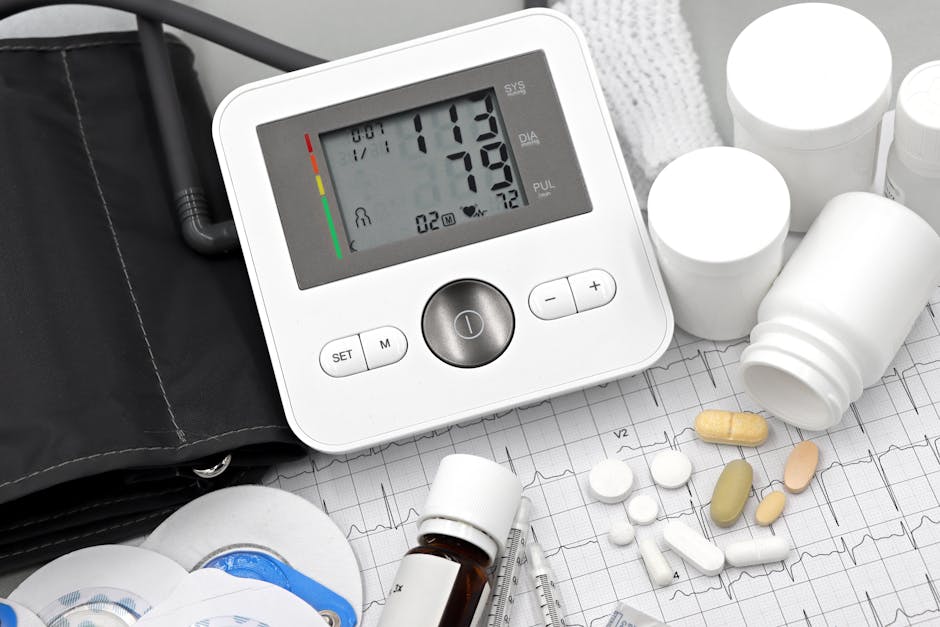
Transforming Patient Care: The 9 Best AI Tools for Monitoring Chronic Conditions Remotely
Struggling to keep tabs on chronic patients? Check out these 9 innovative AI tools that make monitoring their health easier and more effective.
Nine AI tools for chronic condition monitoring can significantly enhance patient care: MyNursery, LumiHealth, Zerigo Health, Danaher, Carrot Health, and more. These tools provide personalized monitoring plans, real-time data analysis, and tailored health interventions. For example, MyNursery has helped reduce hospital readmission rates for diabetic patients, while Danaher‘s technology has led to a 40% decrease in emergency room visits for COPD patients.
Monitoring patients with chronic illnesses can feel overwhelming, especially when managing multiple conditions across diverse patient needs. Thankfully, the rise of AI tools for chronic condition monitoring offers an array of solutions to ease this burden. Let’s dive into some fresh, impactful tools that can keep you connected and informed.
First up is MyNursery. This platform allows healthcare providers to create personalized monitoring plans for patients with diabetes. It uses AI to analyze patient data in real-time, providing actionable insights that can lead to timely interventions. For instance, one clinic reported a significant reduction in hospital readmission rates for diabetic patients after integrating MyNursery into their care program. By automating data tracking, it freed up staff to focus on personalized patient interactions.
Next, we have LumiHealth, an innovative mobile app that encourages patients to stay engaged with their health. By sending reminders and motivational messages tailored to individual health goals, it has been particularly effective for patients managing heart conditions. One example showed a 30% increase in adherence to prescribed health plans among users. Keeping patients motivated can be half the battle.
Have you heard of Zerigo Health? This AI-powered platform is a lifesaver for patients dealing with chronic skin conditions, such as psoriasis. It uses image recognition technology to analyze skin conditions and track improvements over time. Dermatologists using Zerigo reported more accurate diagnoses and treatment adjustments based on continuous data rather than sporadic office visits. Immediate insights lead to better patient satisfaction and quicker results.
Then there’s Danaher, leveraging AI to enhance remote monitoring for COPD (Chronic Obstructive Pulmonary Disease) patients. Their systems can detect subtle changes in respiratory patterns, alerting healthcare providers before emergencies arise. One provider using Danaher‘s tools saw a 40% drop in emergency room visits from COPD patients over six months. Monitoring doesn’t just save costs; it saves lives.
Now, let’s talk about Carrot Health. This AI tool specializes in analyzing social determinants of health, offering insights into how a patient’s environment affects their chronic illness. With this information, healthcare professionals can tailor interventions more effectively. A case study showed that integrating Carrot Health data allowed a regional health system to optimize resources, leading to a 25% improvement in health outcomes for low-income patients.
Another interesting tool is Nudge Health, focusing on mental health alongside chronic physical conditions. It supports patients dealing with anxiety or depression that often accompany chronic diseases. AI algorithms recommend activities and coping strategies based on mood inputs from users. Clinics implementing Nudge Health noticed improved emotional well-being among patients, directly correlating with better chronic condition management.
For those interested in wearable technology, Garmin has expanded its offerings. Their latest health tracking devices not only monitor physical activity but also provide heart rate variability analysis, helping users manage stress effectively. As a result, patients have reported feeling more in control of their health, leading to fewer stress-related flare-ups of chronic conditions.
Don’t miss out on Sanofi’s digital diabetes management platform. This innovative tool allows patients to input readings and share them directly with healthcare professionals, ensuring that data isn’t static. A small clinic using this tool found that patients who actively shared data experienced 50% fewer hyperglycemic episodes. Engaged patients are healthier patients, and this tool makes that process seamless.
Finally, there’s Cureatr. This solution offers a medication management system that alerts healthcare providers about potential issues with chronic illness treatments, like drug interactions or adherence problems. A recent engagement showed that using Cureatr reduced medication errors by 70%. Fewer mix-ups mean better outcomes for patients, and that’s what we’re all after.
Real-world results from these AI tools speak volumes. They not only alleviate the strain on healthcare providers but also improve patients’ quality of life. So, if you’re struggling to monitor patients with chronic illnesses effectively, consider exploring these tools to find a fit for your practice.
FAQ
What are AI tools for chronic condition monitoring?
AI tools for chronic condition monitoring are technologies that leverage artificial intelligence to help healthcare providers collect, analyze, and act upon patient data. These tools can improve patient outcomes by providing timely insights and facilitating better communication between patients and providers.
How can these tools reduce hospital visits?
By continuously monitoring patient data, AI tools can help detect early warning signs that require intervention. This proactive approach means that healthcare providers can address issues before they escalate, thus reducing the need for hospital visits.
tools" target="_blank" rel="nofollow noopener noreferrer" style="color:#8b5cf6;font-weight:700;">Are these tools user-friendly for patients?
Many of these AI tools are designed with user experience in mind, making them accessible to patients of all tech-savviness levels. With engaging interfaces and supportive features, patients can easily manage their health.
Related AI Tools Guides
Keep the momentum going with these useful reads: