

The Role of AI in Enhancing Safety Protocols in Aesthetic Procedures
Explore the unique ways AI safety tools enhance risk management in aesthetic procedures, offering practitioners and clients alike more confidence in treatments.
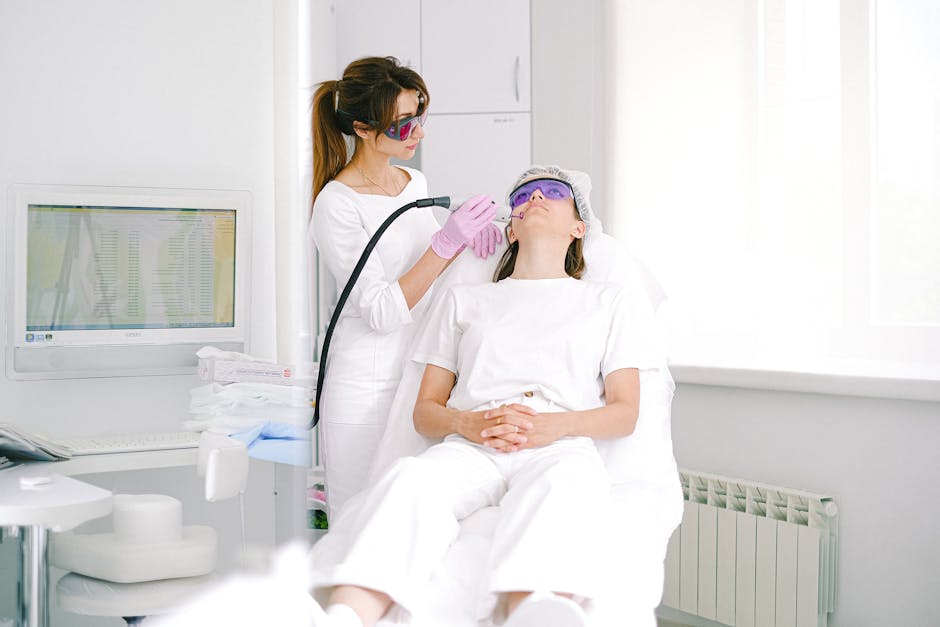
AI safety tools for cosmetic procedures are transforming how clinics approach patient care. Visualize predicts potential complications by analyzing individual patient data, while Skinalyze assesses skin conditions through advanced imagery. Therapist.AI optimizes patient scheduling and follow-ups, ensuring attentive care for high-risk individuals. Post-operative care is enhanced with Recover.ai, which monitors recovery and alerts practitioners to any issues. Platforms like SafeClinics and PatientFlow.AI further support clinics in risk management and identifying vulnerable patients, ultimately fostering a safer aesthetic environment.

When it comes to aesthetic procedures, safety is the name of the game. Nobody wants to step into a clinic worried about what might go wrong during a treatment. That’s where AI steps in to ease those concerns. AI safety tools for cosmetic procedures are emerging as the go-to resources not just for clinics, but for anyone dabbling in the world of aesthetics.
Let’s dig into some real-world applications of how these tools are shifting the paradigm.
Consider Visualize, a fresh player in AI that helps predict potential complications during surgical procedures. Imagine a scenario where a surgeon can input specific patient data, such as age, health history, and skin type. Visualize analyzes this information to offer predictive analytics on potential risks. By integrating such a tool, clinics can tailor their protocols to individual patients, creating a more personalized and safer experience.
Then there’s Skinalyze, which focuses on skin analysis through AI-driven imagery. This tool uses advanced image processing to assess skin conditions before treatments. Say a patient presents with rosacea; Skinalyze identifies it and suggests alternative treatment approaches. This not only minimizes risk but also enhances the treatment’s effectiveness overall.
Let’s not ignore the operational side of things. Tools like Therapist.AI are changing how clinics schedule and manage patient treatments. It can evaluate patient responses and behavioral patterns to optimize scheduling and follow-ups. This means the clinic can ensure more attentive care for patients who might need more monitoring due to past complications.
But what about after the procedure? AI tools are also emerging to assist with post-operative care. Recover.ai is revolutionizing follow-up processes by using AI to monitor recovery data and alert practitioners if a patient’s healing deviates from expected norms. For patients, this means peace of mind that their recovery is being monitored closely, reducing the risk of unforeseen complications.
Let’s face it; the world of aesthetics is competitive. Clinics must keep their reputations intact while ensuring patient safety. Enter SafeClinics, a new platform aimed at risk management. It analyzes clinic data, patient reviews, and procedural outcomes to provide insights into best practices. Clinics can use this feedback to improve their protocols, thereby lowering risks and enhancing patient satisfaction.
Another innovative AI tool is PatientFlow.AI. This nifty system helps manage patient intake and assessments with a focus on identifying those who are at higher risk during treatment. By flagging these patients, practitioners can allocate more time and resources to ensure their safety, thus minimizing anxiety on both ends.
Despite the initial investment in these tools, the payoff is immense. Clients feel safer, practitioners are more confident, and clinics see a reduction in liability issues. It’s a win-win scenario all around.
Here’s where it gets even more interesting: AI safety tools are continuously evolving. They adapt to emerging trends, ensuring that clinics are always using the most effective and safe practices. Furthermore, as these tools become more prevalent, they’ll likely lead to standardized safety protocols across the industry.
FAQs
tools" target="_blank" rel="nofollow noopener noreferrer" style="color:#8b5cf6;font-weight:700;">What are AI safety tools?
AI safety tools are programs designed to enhance risk management during aesthetic procedures. They use predictive analytics, imaging, and data analysis to improve patient safety and treatment outcomes.
How do AI tools help with patient anxiety?
By providing personalized care recommendations and continuous monitoring, AI tools help both practitioners and patients feel more secure about the treatment process.
tools" target="_blank" rel="nofollow noopener noreferrer" style="color:#8b5cf6;font-weight:700;">Are these tools expensive?
While there may be upfront costs, the reduction in complications and improved patient outcomes can lead to cost savings for clinics in the long run.