Lessons Learned: How AI is Reshaping Military Tactics from the US-Iran War
Explore the significant impact of AI on military tactics through insights from the US-Iran War. Learn about innovative tools and strategies evolving in the military landscape.
AI is reshaping military tactics in several key areas observed during the US-Iran War, including reconnaissance, decision-making, and logistics. Tools like Arthur enhance intelligence gathering by analyzing vast datasets for more accurate assessments. Real-time support systems such as Firefly enable rapid responses to emerging threats on the battlefield. Furthermore, AI is optimizing supply chain logistics with solutions like SupplyChain.AI, ensuring timely resource allocation for military operations. The role of AI extends to psychological operations as well, with tools like DigiOps tailoring information campaigns based on public sentiment.
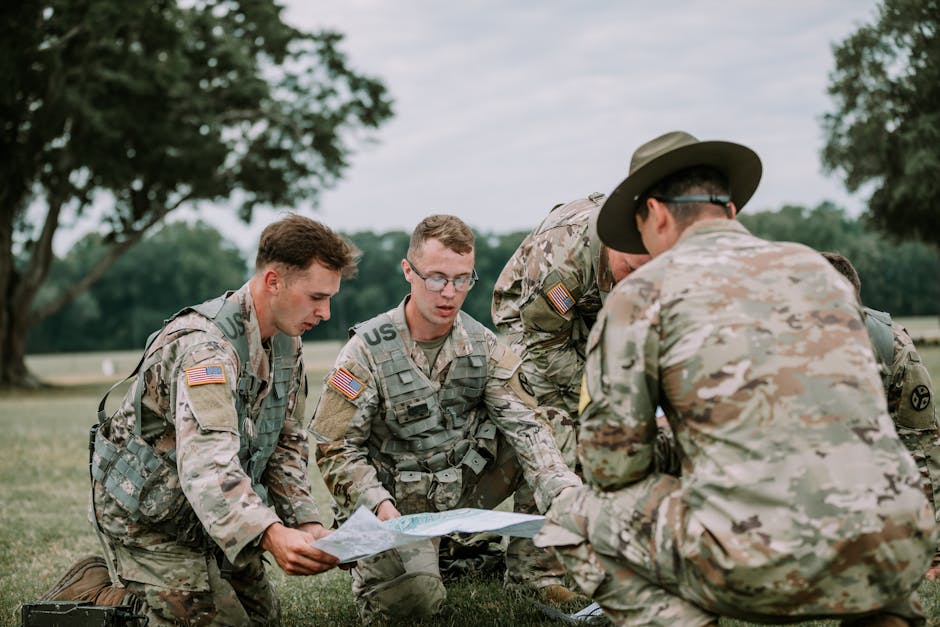
AI is shifting the battlefield dynamics in ways we’re just beginning to grasp, particularly in light of the US-Iran War. Let’s dive into how artificial intelligence is changing the playbook and what it means for military strategists trying to keep pace.
The first thing that stands out is the integration of AI into reconnaissance operations. Traditional methods often leave gaps in intelligence, but projects like Arthur are stepping in. Arthur leverages AI-driven analytics to comb through massive datasets, ensuring that military planners aren’t just relying on human analysis. The outcome? More timely and accurate assessments of enemy movements and potential threats.
Now, consider how decision-making is evolving. The US-Iran conflict highlighted the need for rapid response capabilities. Enter tools like Firefly, which offers AI solutions that allow for real-time decision-making support. They analyze current battlefield scenarios and tactical options, enabling commanders to respond to threats right as they emerge. This is a critical advantage. No more waiting for a full report; it’s all happening in real-time.
Logistics is another area getting a major facelift from AI. The complexity of supply chains in military operations can stymie missions. SupplyChain.AI is tackling this head-on. By predicting supply needs based on operational data and usage patterns, it helps ensure that troops get what they need when they need it, reducing downtime and increasing operational efficiency.
Then there’s the psychological aspect of warfare. AI is reshaping psychological operations through tools like DigiOps. DigiOps analyzes social media and other public data to gauge public sentiment and tailor information campaigns accordingly. This is crucial in modern warfare, where winning the hearts and minds of the populace can be as important as any ground troop engagement.
Now, while these tools sound impressive, the reality is that implementing them comes with challenges. Analysts need to adapt alongside these technologies. That’s why programs like AI Warfare Academy offer training to military personnel on leveraging AI. The goal is to close the gap between technology and tactical proficiency, ensuring that the forces adapt quickly to these new tools.
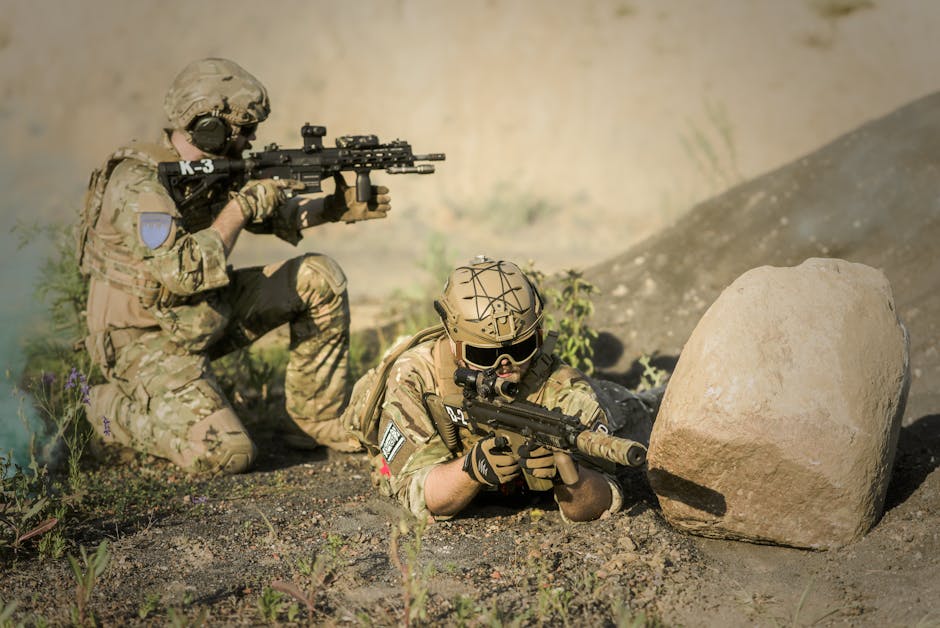
Additionally, there’s the ethical dimension to consider. As AI takes a more prominent role in military tactics, concerns about autonomous systems making life-or-death decisions are growing. This underscores the need for ongoing debates about the role of AI in military applications. Tools like AI Ethics are facilitating discussions around these pressing issues, emphasizing the importance of human oversight.
Let’s also not forget the impact of AI analytics in training simulations. Tools like Simul8 are being adopted to create realistic training environments that incorporate AI-driven scenarios. This prepares troops for a wider range of potential encounters, bolstering their readiness for unconventional tactics that could arise on the battlefield.
In terms of outcomes, these innovations are streamlining operations and enhancing adaptability. Militaries are becoming more proactive rather than reactive. AI is not just a tool—it’s like having a backstage pass to enemy plans, logistical needs, and psychological warfare strategies. But with great power comes responsibility; the key is staying human in a landscape increasingly dominated by machines.
FAQs
How is AI currently used in military tactics?
AI is used for reconnaissance, real-time decision-making, logistics, psychological operations, and training simulations, providing critical advantages on the battlefield.
What are some lesser-known AI tools used in military applications?
Some lesser-known tools include Arthur for analytics, Firefly for decision support, SupplyChain.AI for logistics, DigiOps for psychological operations, and sim" target="_blank" rel="nofollow noopener noreferrer" style="color:#8b5cf6;font-weight:700;">Simul8 for training simulations.
What are the ethical considerations when using AI in the military?
Ethical considerations include the potential for autonomous systems making life-or-death decisions and the need for human oversight to prevent misuse of technology.