AI Innovations for Sustainable Water Management: 6 Tools You Can Implement Now
Dive into six lesser-known AI tools transforming water management. Tackle scarcity and inefficiencies with practical insights and outcomes.
Six AI tools for water management can significantly optimize usage and promote sustainability: Hydrawise, ClearFl, Iota, Groundswell, Sensaphone, and Swim.ai.
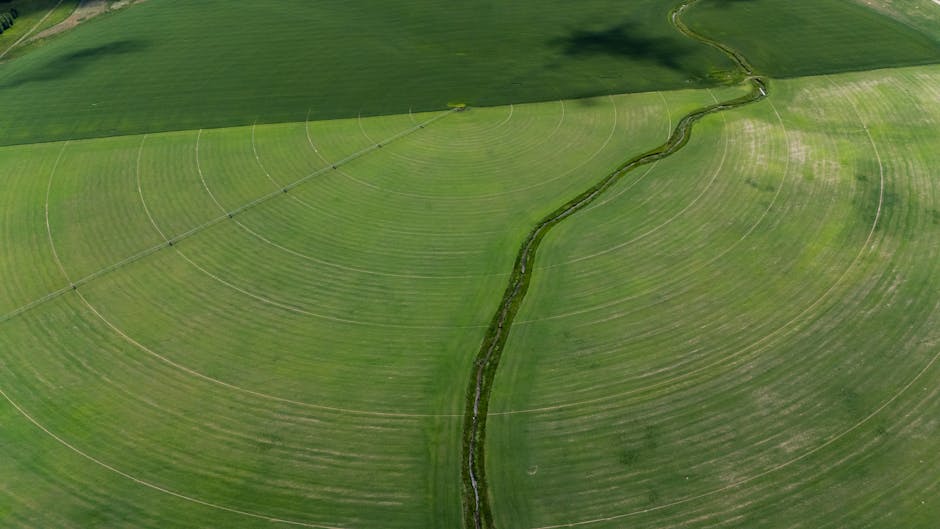
Hydrawise automates irrigation based on real-time weather data, potentially saving up to 50% of water in agricultural settings.
ClearFl utilizes AI for real-time leak detection in municipal water systems, reducing water loss and improving service.
Iota tracks residential water usage patterns, helping households achieve an average reduction of 20% in consumption.
Groundswell provides predictive analytics for irrigation, while Sensaphone and Swim.ai focus on water quality monitoring and system simulation, respectively.
Water scarcity is a rising concern across the globe. If you’re a decision-maker in water management, you’re probably feeling the heat when it comes to making every drop count. Thankfully, a new wave of AI tools is emerging, designed to address this exact challenge. Here’s a rundown of six cutting-edge options that can help you optimize water usage and ensure sustainability.
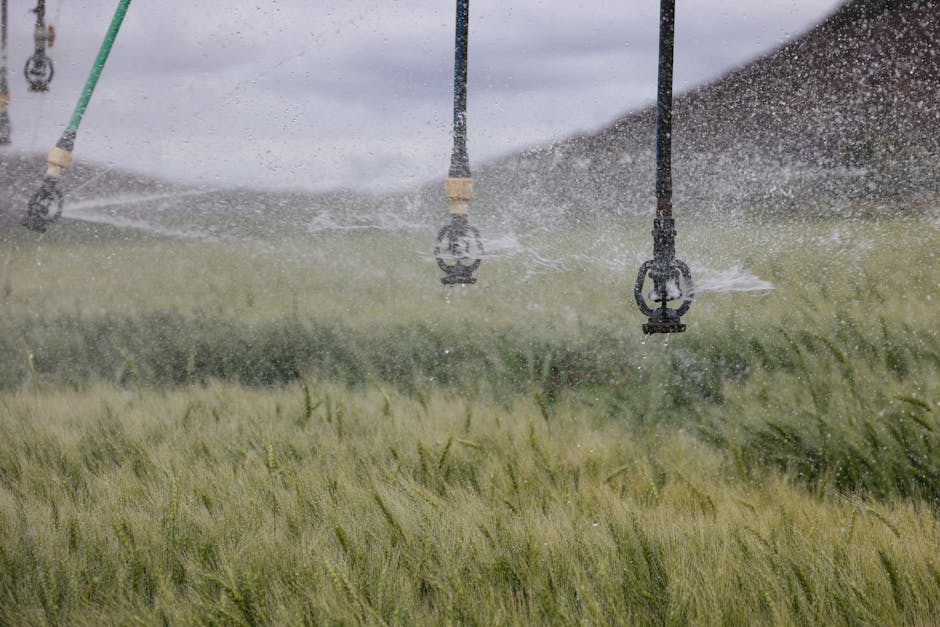
Hydrawise is an irrigation management platform that leverages AI to help manage your watering schedules effectively. Picture this: you’ve got a sprawling landscape, and the weather keeps changing. Hydrawise pulls in local weather data and automatically adjusts your irrigation based on rainfall, temperature, and humidity. Agricultural operations have reported up to 50% water saving just by implementing this smart scheduling. Imagine the savings and the environmental impact!
Then there’s ClearFl, especially useful for municipalities. They utilize AI to monitor the condition of water distribution systems. Ever had a situation where you didn’t even know a pipe was leaking? ClearFl uses advanced sensors and machine learning to detect leaks and inefficiencies in real-time. Cities adopting this tech have managed to reduce their water loss significantly, leading to both cost savings and better service for residents.
If you’re into more residential solutions, consider Iota. This smart water management system connects to your home’s plumbing to track usage patterns. Let’s say you want to know how much water your family uses during showers versus watering the garden. Iota provides insights that help households tweak their habits, leading to an average reduction of 20% in residential water use. It’s like having a personal water coach!
In agricultural settings, Groundswell is making waves with its predictive analytics. Farmers often struggle with knowing how much water to use each season. Groundswell analyzes soil data and weather forecasts to deliver precise irrigation recommendations. Users have reported crops yielding more while using less water, creating a win-win for both their bottom line and the environment.
On a broader scale, check out Sensaphone. This tool monitors water quality in bodies of water, a critical factor for any sustainable water management strategy. By using IoT devices equipped with AI, Sensaphone can alert you to changes in water quality before they become a crisis. Think about avoiding costly clean-up operations or public health scares. That’s proactive management at its finest!
Finally, let’s talk about Swim.ai. This tool specializes in simulating water systems using AI algorithms. It helps utility companies model different water distribution scenarios and identify the best strategies for reducing water waste. The result? Utilities can develop effective water conservation programs and ensure they’re getting the most out of their infrastructure.
As you can see, AI tools for water management are diverse and impactful. They’re not just about saving money; they’re about fostering a sustainable future for water resources. Implementing just one of these tools can lead to significant improvements in efficiency and conservation. So, why wait? Dive into the world of AI and see how it can help streamline your water management efforts.
FAQs
What is the role of AI in water management?
AI enhances water management by analyzing data from various sources to optimize usage, detect leaks, and predict irrigation needs.
How can I assess the effectiveness of AI tools for my water management system?
Track key metrics such as water savings, leak detection rates, and operational costs before and after implementation to evaluate effectiveness.
Are these AI tools suitable for small-scale water management?
Absolutely! Many of these tools cater to both household and agricultural needs, providing cost-effective solutions for all types of users.
Related AI Tools Guides
Keep the momentum going with these useful reads: