Improving Accessibility with NLP: 5 AI Tools to Help Individuals with Disabilities Communicate Better
Explore five powerful NLP tools that cater to the communication needs of individuals with disabilities, providing practical solutions for better accessibility.
Five NLP tools enhance communication for individuals with disabilities: VoiceMitt, Texthelp, Speechify.

VoiceMitt offers advanced voice recognition tailored for users with speech impairments, facilitating more natural conversations.
Texthelp supports reading and writing, particularly benefiting those with dyslexia through real-time text-to-speech.
Speechify transforms text to speech, making written content accessible to those with visual impairments or reading disorders.
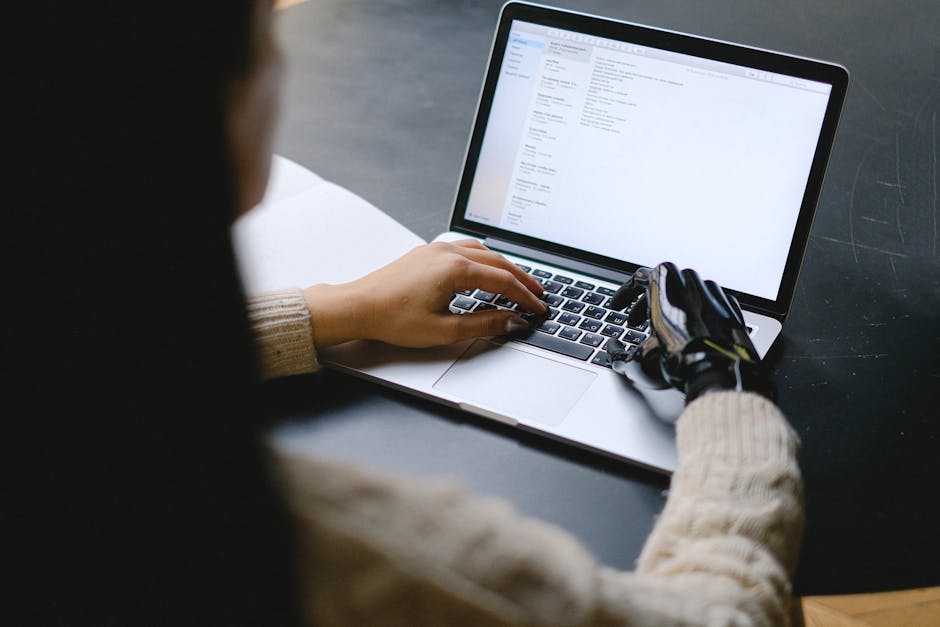
Accessibility is a crucial aspect of communication, especially for individuals with disabilities. Fortunately, the rise of Natural Language Processing (NLP) tools is paving the way for overcoming barriers and enhancing communication. Let’s dive into five standout NLP tools, each addressing unique challenges faced by users.
VoiceMitt is an NLP tool designed for those specifically looking for voice recognition solutions. It’s not just about dictation; it understands context, making it easier for individuals with speech impairments to convey their thoughts. Imagine someone who has difficulty pronouncing words clearly. With VoiceMitt, they can speak naturally, and the tool will transcribe it accurately, allowing for more fluid and effective communication. The result? Users report feeling more confident in their ability to share ideas and participate in conversations.
Next up is Texthelp, a fantastic tool focused on reading and writing support. It’s great for those with dyslexia or other learning disabilities. The AI-powered features include real-time text-to-speech and the ability to simplify complex text into more manageable language. Picture a student who struggles to understand textbook language; using Texthelp, they can engage with learning material in a much more accessible format. This level of understanding can significantly improve their academic performance and self-esteem.
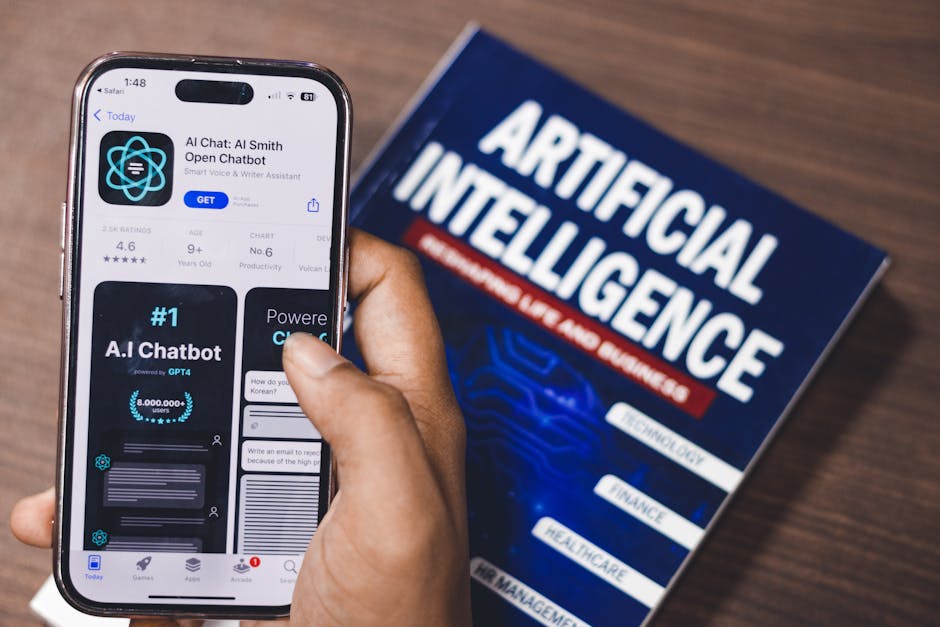
If text-based communication is more your style, have a look at Speechify. This app converts text from books, documents, and web pages into speech. For someone with a visual impairment or reading disorder, this can be a game changer. They no longer have to struggle with reading; instead, they can listen to content at their own pace. Users have expressed how this tool opens up a whole new world of information, previously inaccessible to them.
The world of NLP tools for accessibility is growing rapidly, providing diverse solutions for various communication challenges. Each tool offers something unique, addressing specific needs and improving overall communication for individuals with disabilities.
Frequently Asked Questions
NLP, or Natural Language Processing, is a branch of artificial intelligence that focuses on the interaction between computers and human language. It involves various applications, from speech recognition to language translation, making it invaluable for accessibility tools.
tools" target="_blank" rel="nofollow noopener noreferrer" style="color:#8b5cf6;font-weight:700;">Who can benefit from NLP tools?
NLP tools can benefit anyone with communication challenges, including individuals with speech impairments, learning disabilities, and visual impairments. These tools aim to enhance communication and accessibility, ensuring everyone can express themselves effectively.