Creating Conversational Interfaces: How 7 NLP Tools Enable Developers to Build Better Chatbots
Building chatbots with NLP can be a challenge. Explore 7 innovative tools that help you create effective, natural-sounding conversational interfaces to enhance user experience.
Seven NLP tools can enhance the process of building chatbots: Natural Language Toolkit (NLTK), Hugging Face Transformers, Rasa, Pandorabots, Botpress, Dialogflow, and Azure Cognitive Services. These tools provide functionalities such as sentiment analysis, dialogue management, and voice recognition, enabling developers to create more engaging and effective conversational interfaces. Utilizing these technologies can lead to significant improvements in user experience and operational efficiency.
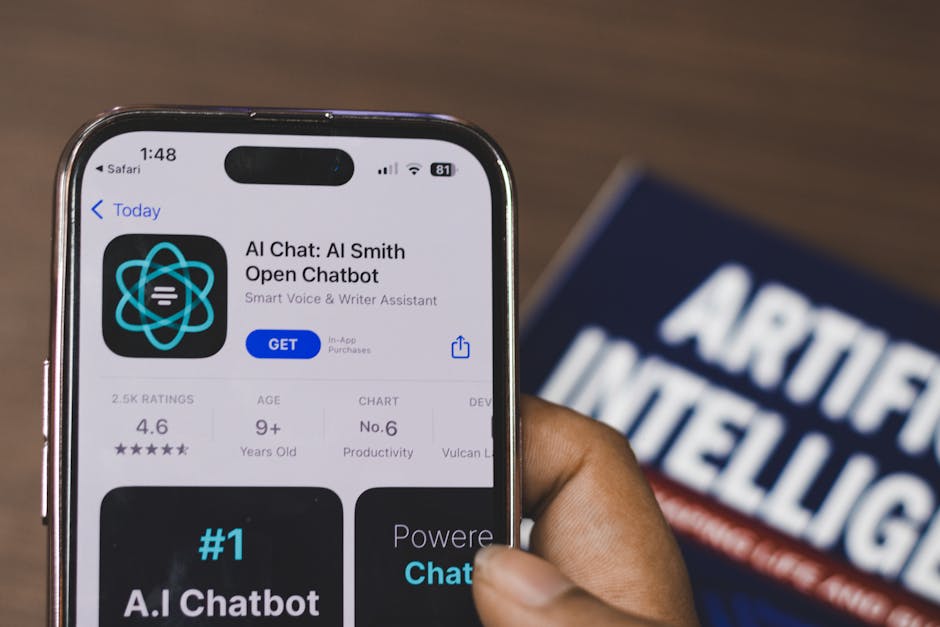
Creating chatbots that sound natural can feel like wrestling a bear—frustrating and full of unexpected twists. You want something that feels fluid, not robotic, and that’s where NLP tools come in. Let’s dive into seven innovative tools that help developers turn their chatbot ideas into engaging conversational companions.
First up is Natural Language Toolkit (NLTK). Even though it’s been around for a while, it’s still a favorite for good reason. NLTK provides a comprehensive set of libraries for processing human language data. Developers can perform tokenization, stemming, and even sentiment analysis with ease. For example, a startup focused on customer feedback used NLTK to analyze sentiments from their support queries, leading to a 20% increase in customer satisfaction.
Next, there’s the lesser-known but powerful Hugging Face Transformers library. It’s a powerhouse for implementing state-of-the-art models for natural language processing. With Hugging Face, developers can fine-tune models for specific tasks, like text generation or chatbot responses, without breaking a sweat. A small e-commerce platform used it to create a chatbot that could recommend products based on user inquiries, boosting sales by 15% thanks to personalized interactions.
Then you have Rasa. It’s an open-source framework that puts the developer in the driver’s seat, allowing for customized chatbot solutions. With its natural language understanding and dialogue management capabilities, Rasa helps maintain conversations that feel organic. One nonprofit organization implemented Rasa to provide immediate responses to inquiries about their services, achieving a 50% reduction in response time.
If you’re on the lookout for something newer, check out Pandorabots. This platform lets developers create intelligent chatbots using AIML (Artificial Intelligence Markup Language). Its unique feature is the ability to teach chatbots using phrases that sound more conversational. A recent case study revealed that a marketing agency utilized Pandorabots to develop an engaging assistant for their website, resulting in a 30% growth in lead generation.
Another solid option is Botpress. Targeted at developers, it streamlines the chatbot creation process with a visual flow builder. This means you can design conversations in a way that’s intuitive without needing extensive coding skills. A university leveraged Botpress for student inquiries, leading to quicker responses and improved student engagement on their campus.
Moving on, let’s talk about Dialogflow. Owned by Google, it’s a robust platform for building conversational interfaces across multiple platforms. Dialogflow supports voice recognition and can be integrated with various messaging platforms seamlessly. A small restaurant used it to build an ordering system via chat, which not only sped up orders but also enhanced customer experience, leading to increased repeat visits.
Finally, don’t overlook Azure Cognitive Services. It allows developers to add language capabilities into apps without diving deep into machine learning. With features like speech recognition and language understanding, Azure enables the creation of chatbots that can communicate naturally and effectively. A tech startup integrated Azure into their existing app for user support, resulting in a 40% drop in live support requests.
These tools prove that building chatbots with NLP doesn’t have to be a monotonous chore. They can be fun, innovative, and fundamentally transformative for user experiences. Each tool has its strengths, and whether you’re working with a startup or a large organization, there’s something here that can elevate your chatbot game.
Frequently Asked Questions

NLP, or Natural Language Processing, is a field of artificial intelligence that helps computers understand, interpret, and respond to human language. It’s crucial in creating chatbots that sound natural and are effective in communication.
Which is the best tool for building chatbots?
The best tool depends on your specific needs. For deep customization, Rasa is great. For ease of use, Dialogflow is user-friendly. Evaluate what functionality fits your project best.