
AI in Radiology: Transforming Image Analysis for Better Patient Outcomes
Discover how AI tools are reshaping image analysis in radiology, tackling lengthy interpretation processes, and leading to better patient care.
AI tools for radiology are revolutionizing image analysis, significantly reducing interpretation times and improving diagnostic accuracy. For example, Oxipit‘s AI engine can cut interpretation times in half for chest X-rays, while Synthesia enhances ultrasound imaging to increase diagnostic accuracy by 30%. These innovations not only streamline workflows but also foster better collaboration among specialists, with platforms like Rad AI improving communication and consultation speeds. Furthermore, tools like VisualSonics for 3D imaging are reducing reading times by up to 40%, allowing radiologists to focus more on patient care.

AI tools are taking the field of radiology by storm, tackling one of the profession’s most persistent challenges: lengthy image analysis and interpretation. Imagine being a radiologist, sifting through hundreds of medical images a day. The pressure is immense, and the stakes are high. Luckily, tech is riding to the rescue.
Take Oxipit, a relatively new player focusing on chest X-ray analysis. Their AI engine doesn’t just flag anomalies; it offers detailed reports based on what it detects. This means radiologists can spend less time immersed in the minutiae of each scan and more time focusing on patient care. A few institutions have piloted Oxipit, reporting interpretation times slashed in half and significantly fewer missed diagnoses. That’s a win-win.
Then there’s Synthesia, which has recently made waves in ultrasound imaging. Their tool uses advanced algorithms to enhance image quality in real-time, allowing clinicians to see more detail during examinations. This not only speeds up the process but also boosts confidence in decision-making. One clinic shared that they saw a 30% increase in diagnostic accuracy after integrating Synthesia into their workflow.
The workflow isn’t just about analyzing images faster; it’s also about enhancing collaboration among specialists. Rad AI is a fantastic platform that intelligently curates cases for radiologists. It learns from past decisions and preferences to streamline the review process, creating a tailored experience for every user. Hospitals using Rad AI have noticed improved inter-department communication and quicker consultations, which ultimately leads to more precise diagnoses and timely treatments.
Body imaging is another area benefitting from AI. Hanover Research has developed an AI tool that assists with MRI scans by automatically identifying critical pathologies. A radiologist in a small clinic mentioned that this tool has allowed them to interpret complex cases faster, enabling timely interventions for patients who need urgent care. It’s like having a second set of eyes—one that never gets tired.
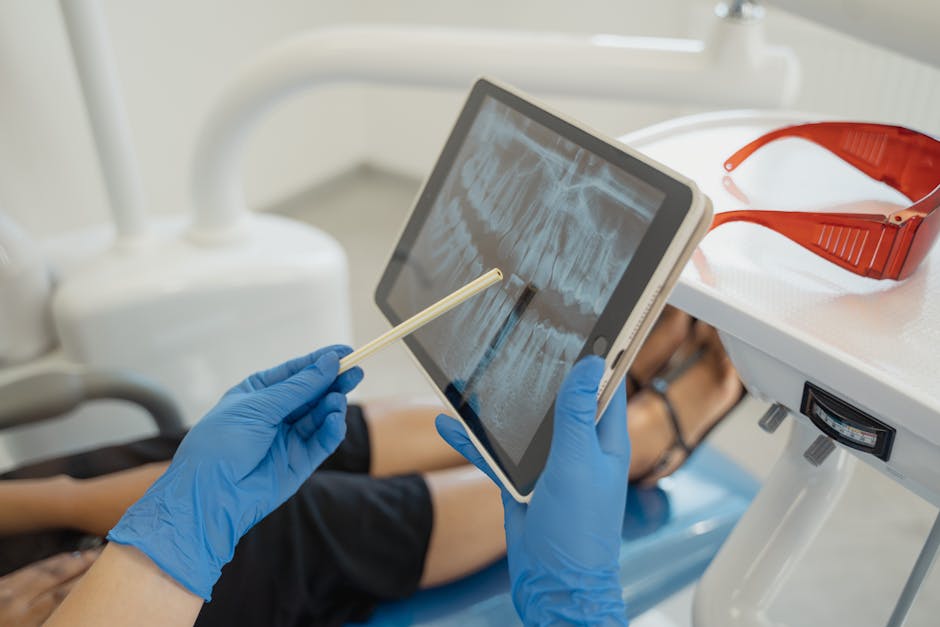
One common friction point radiologists face is the sheer volume of data they’re expected to analyze. VisualSonics has introduced an AI tool for 3D imaging that simplifies data interpretation, showcasing only the most relevant information for a given study. Early adopters report a reduction in reading times by up to 40%, freeing up radiologists to take on more patients or invest that time back into consultative care.
The landscape continues evolving with emerging AI tools. For instance, Royal Philips has been working on AI-assisted mammography that not only speeds up image analysis but integrates seamlessly with existing systems. The goal is to ensure that no patient feels the burden of waiting for essential screenings. Their pilot studies in various healthcare centers highlight a 25% decrease in follow-up appointments due to quicker initial assessments.
Now, let’s not forget about the human element. Integrating AI tools into radiology isn’t just about enhancing technology; it’s about training radiologists to work alongside these innovations. Hospitals are starting to implement continuous learning programs, ensuring that radiologists understand both the strengths and limitations of AI. An experienced radiologist shared that recent training sessions have increased confidence in using AI tools, making them feel like they are in command of the situation rather than just reacting to software outputs.
Frequently Asked Questions
What are AI tools for radiology?
These are software solutions designed to assist radiologists in analyzing medical images, speeding up interpretation, improving accuracy, and ultimately enhancing patient outcomes.
How can AI impact patient outcomes in radiology?
AI tools can drastically reduce the time it takes to analyze and interpret images, leading to quicker diagnoses, timely treatments, and fewer missed detection of critical conditions.
Are there specific AI tools that are gaining traction in radiology?
Yes, tools like Oxipit, Synthesia, Rad AI, Hanover Research, VisualSonics, and Royal Philips are becoming popular for their unique features that assist radiologists in their workflows.
AI in radiology isn’t just a trend; it’s a shift towards more efficient, accurate, and compassionate care. By leveraging cutting-edge tools, medical professionals can not only reduce their workload but also improve the quality of care delivered to patients.
Related AI Tools Guides
Keep the momentum going with these useful reads: