How AI Tools Are Enhancing Surgical Precision: A Look at the Latest Innovations
Surgical errors can be scary, but advancements in AI tools are making precision surgeries safer and more reliable. Explore innovative solutions in the medical field.
AI tools for surgical precision significantly reduce surgical errors and improve patient outcomes by enhancing decision-making and workflow efficiencies. Augmedix streamlines documentation, allowing surgeons to focus entirely on the procedure, while Zephyr AI utilizes patient data to predict risks and reduce post-operative complications by over 30%. Insight Sciences enhances pre-operative imaging accuracy, enabling effective surgical planning through detailed 3D models. Additionally, Callogen assesses tissue quality in real-time, which has been linked to faster recovery times. Tools like Surgisphere analyze post-surgical data to inform best practices and reduce repeat errors, ultimately transforming patient care.
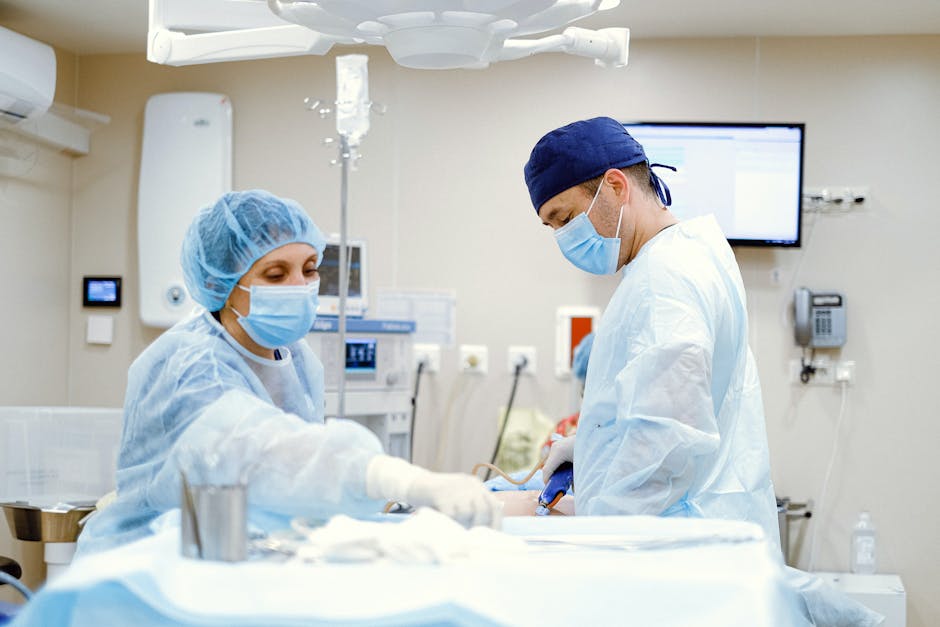
Surgical errors haunt both patients and surgeons alike. Just the thought of a slip, a miscalculation, or a tool left behind can send chills down your spine. But here’s the thing: the rise of AI tools for surgical precision is poised to give us a fighting chance against these fears.
Let’s dive into some of the latest innovations that disrupt traditional surgical practices and enhance accuracy.
First off, consider Augmedix. This tool is perfect for any surgeon who has ever felt overwhelmed by note-taking and patient data. It uses AI to transcribe conversations in real-time. Imagine a world where you can focus solely on the surgery without worrying about documenting every detail. This not only minimizes documentation errors but allows surgeons to dedicate their fullest attention to the task at hand, significantly reducing the chances of oversight.
Next, meet Zephyr AI. This platform assists with pre-operative risk assessments. It processes heaps of patient data to predict possible complications. Surgeons can enter patient information and receive a clear guide on potential risks. One recent surgical team reported a reduced incidence of post-operative complications by over 30% simply by incorporating Zephyr into their workflow. That’s a serious life-saver!
Then there’s Insight Sciences, an AI imaging tool making waves by enhancing pre-operative imaging precision. How does it work? It analyzes medical images and helps in creating detailed 3D models before the scalpel even touches skin. Surgeons have noted that with these precise models, they can plan more effectively, ultimately leading to smoother surgeries and better outcomes.
Another noteworthy mention is Callogen. This tool has turned heads in tissue assessment. During surgeries, especially in reconstructive procedures, understanding the tissue condition is crucial. Callogen’s AI evaluates tissue quality in real-time, guiding surgeons on how best to proceed with repairs. This capability has been linked to quicker recovery times and enhanced patient satisfaction.
Let’s not forget about Surgisphere. This tool tackles the vast amount of data generated after surgeries. It analyzes post-surgical outcomes to understand what went right and what didn’t. By continually learning and adapting, it provides invaluable insights that can drastically reduce repeat errors. One hospital utilizing this tool reported a 25% decrease in same-procedure readmissions.
So, there’s clearly a silver lining on the horizon. The use of AI in surgeries isn’t about replacing human skill; it’s about enhancing it. Surgeons can make informed decisions, reduce risks, and improve overall patient care.
The integration of AI tools for surgical precision not only boosts confidence among medical teams but also transforms the entire surgical experience for patients. The future looks not just bright, but remarkably precise.
FAQ
How can AI tools prevent surgical errors?
AI tools analyze patient data and surgical information in real-time, providing insights that help surgeons anticipate potential complications and avoid mistakes.
What types of AI tools are used in surgery?
There are various types, including imaging tools, data analysis platforms, and real-time documentation assistants that all focus on improving surgical precision.
Are these AI tools widely adopted in hospitals?
While still emerging, many hospitals are beginning to integrate these AI solutions into their practices, with encouraging results and patient safety improvements.